TL;DR
- A GTM engineer builds the systems that prospect, personalize, and follow up, replacing the output of 3-5 SDRs at a salary of 130K-180K plus roughly $30K in tooling. That's less than two loaded reps.
- The SDR model broke on two fronts at once: cold email reply rates fell from 8.5% (2019) to 3.43% (2026), while LinkedIn DMs held at 10.3%. Most sequences never adjusted for that channel flip.
- Signal-based LinkedIn outreach hits 40-60% acceptance and 25-55% reply rates, versus 10-20% acceptance for cold-list blasts. The whole game is signals plus personalization.
- 2026 safety matters: LinkedIn caps invites at around 100 per rolling 7-day window, and cloud or API tools carry a lower restriction risk than browser extensions.
- SalesRobot is the LinkedIn execution layer GTM engineers plug in: safe mobile-API automation, AI Variables, an AI Appointment Setter, and LinkedIn-to-email sequences, from $59/month against a 50K-70K SDR salary.
- Choose a GTM engineer plus automation stack for high-volume top-of-funnel prospecting and qualification. Keep human SDRs for complex enterprise deals that need relationship-building and nuanced negotiation.
👉 Skip the manual grind: SalesRobot runs safe, personalized LinkedIn and email sequences and books meetings on autopilot. Try free for 14 days.
Your SDR Team Is Running a 2019 Playbook in a 2026 Market
Here's an uncomfortable number. Cold email reply rates dropped from 8.5% in 2019 to 3.43% in 2026.
Your SDR team's primary weapon is now the worst-performing channel in outbound.
Meanwhile LinkedIn DMs held near 10.3%, roughly double the engagement, with no spam filters in the way.
Somewhere, a GTM engineer noticed this flip and rebuilt the entire outbound motion around it. No bigger SDR headcount. Just better systems.
This guide covers what that actually looks like: what a GTM engineer is, why the SDR model cracked, the exact LinkedIn automation workflow they build, the 2026 safety limits that make or break it, and the honest answer to whether you still need reps at all.
What Is a GTM Engineer, Exactly?
A GTM engineer is a go-to-market operator who builds automated systems (data enrichment, personalization, and multichannel outreach) that execute the prospecting work a sales team would otherwise do by hand.
Instead of sending messages one by one, they build the machine that sends them, at scale, on signal.
The role exploded fast. GTM engineer job postings surged 205% year over year, reaching more than 3,000 open roles by January 2026, with pay ranging from $132K to $241K.
It's easy to confuse the role with RevOps, so here's the clean line. RevOps maintains and optimizes existing systems, while a GTM engineer builds new outbound infrastructure from scratch. One keeps the engine running; the other designs new engines.
In practice, that means a GTM engineer spends their day wiring tools together, not dialing prospects.
Why the Traditional SDR Model Broke (And Why LinkedIn Is the Fix)
The SDR model broke on economics and on channel at the same time.
The economics first. A typical SDR runs 70K loaded, and most teams need 3-5 reps to generate meaningful pipeline, before you add management overhead and attrition. More pipeline meant more hires. The cost scaled linearly, forever.
The channel second. The tool SDRs leaned on hardest, cold email, now sits at a 3.43% reply rate in 2026. You can hire more people to send more of a channel that mostly gets ignored, but that's just paying more to be ignored faster.
Then there's the other side of the flip. LinkedIn DMs get 10.3% reply rates, roughly double cold email, with no deliverability risk and no spam folder.
And when outreach is signal-based instead of cold-list, the gap widens dramatically: signal-based LinkedIn outreach sees 40-60% acceptance and 25-55% reply rates, versus 10-20% acceptance and 3-8% reply rates for cold-list blasts.
The GTM engineer's insight is simple. LinkedIn automation plus smart personalization does what 3-5 SDRs were doing, minus the headcount, and on a better-performing channel. Running LinkedIn and email together only widens the lead, since multichannel sequences outperform single-channel outreach.
The Economics Table: SDR Team vs. GTM Engineer + Automation Stack
Here's the replacement math, laid out plainly.
The tooling line is smaller than people assume. A safe LinkedIn automation layer like SalesRobot starts at $59/month, a rounding error next to one SDR salary.
A fair caveat, because BOFU readers smell hype: the "one GTM engineer replaces five people" claim comes mostly from people selling GTM engineering, and the real multiple varies by motion. Some teams get 3x, some get more.
What's less debatable is impact. In a survey of 228 in-house GTM engineers, the large majority reported direct revenue impact, and 84% use Clay as their data layer. This has moved from fringe experiment to standard operating model.
The LinkedIn Automation Workflow a GTM Engineer Actually Builds
Most articles name the tools and stop there. Here's the actual sequence a GTM engineer wires together.
Step 1: Signal Capture, Find Prospects Who Are Already Moving
GTM engineers don't buy static lists and spray them. They wire signals (job changes, LinkedIn post engagement, company news, event attendance, website visits) into a data layer like Clay, which enriches and scores each lead before anyone gets contacted.
This is exactly why signal-based outreach hits 40-60% acceptance while cold-list outreach stalls at 10-20%. You're reaching people when they're already in motion.
For example, you could set Clay to pull every VP of Sales who posted about "pipeline" in the last 7 days, enrich them with firmographic data, and push the list straight into your outreach tool.
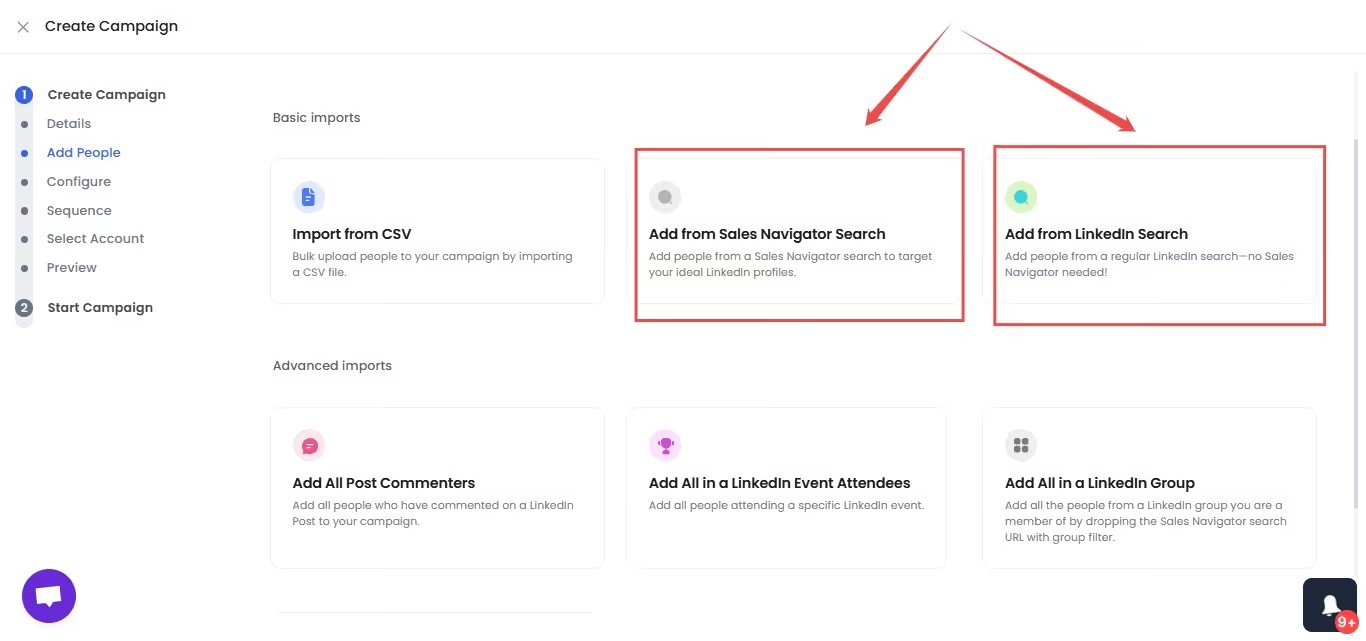
That outreach tool is the execution layer, and SalesRobot is one built for exactly this hand-off. It imports leads directly from LinkedIn Search, Sales Navigator, LinkedIn Groups, LinkedIn Events, and CSV uploads, so an enriched Clay list drops straight in without manual re-formatting.
Step 2: Personalization at Scale, Not Mail-Merge
The GTM engineer writes one smart template with dynamic variables pulled from each prospect's actual LinkedIn profile (recent posts, job changes, shared connections, company news), not a tired {FirstName} merge tag.
That difference is the entire reply-rate gap. A generic message reads like automation. A specific one reads like a human who actually did the homework.
For example, your connection request could reference a post the prospect published last week, auto-pulled from their LinkedIn activity, so it reads like you actually noticed them.
This is where SalesRobot's AI Variables feature earns its keep.
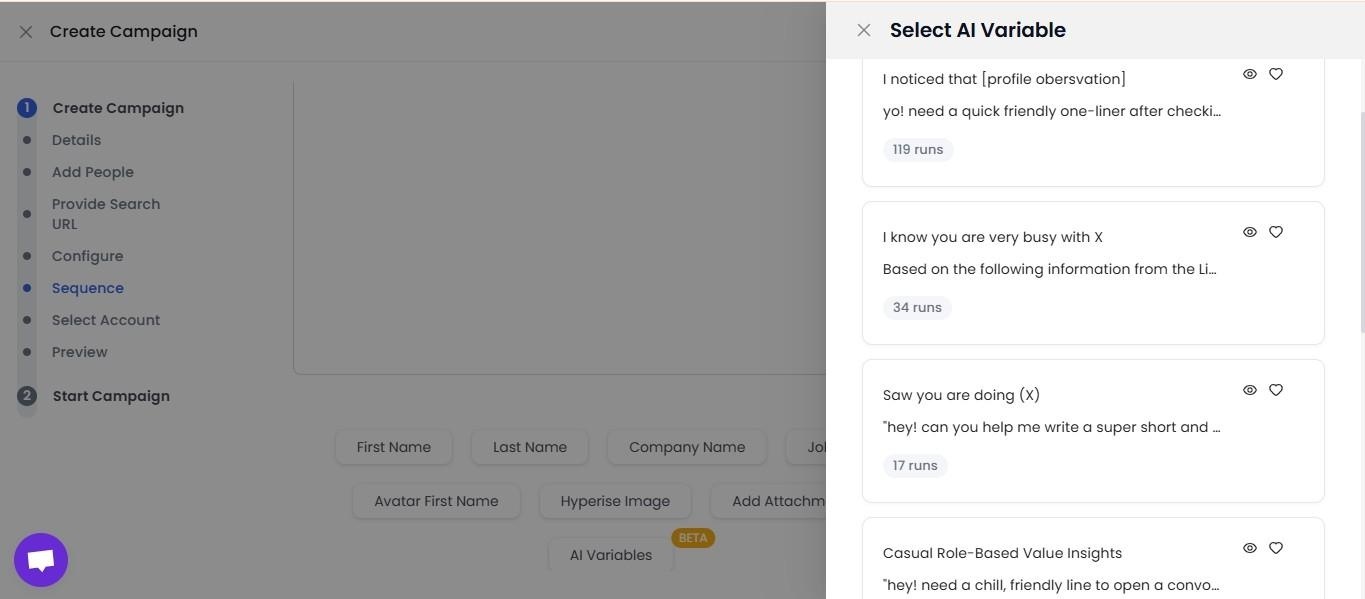
It automatically pulls relevant information from each prospect's LinkedIn profile to craft hyper-personalized messages, so outreach feels genuine rather than templated, at a volume no human SDR could match.
Step 3: The Sequence (Connection → Message → Multichannel Fallback)
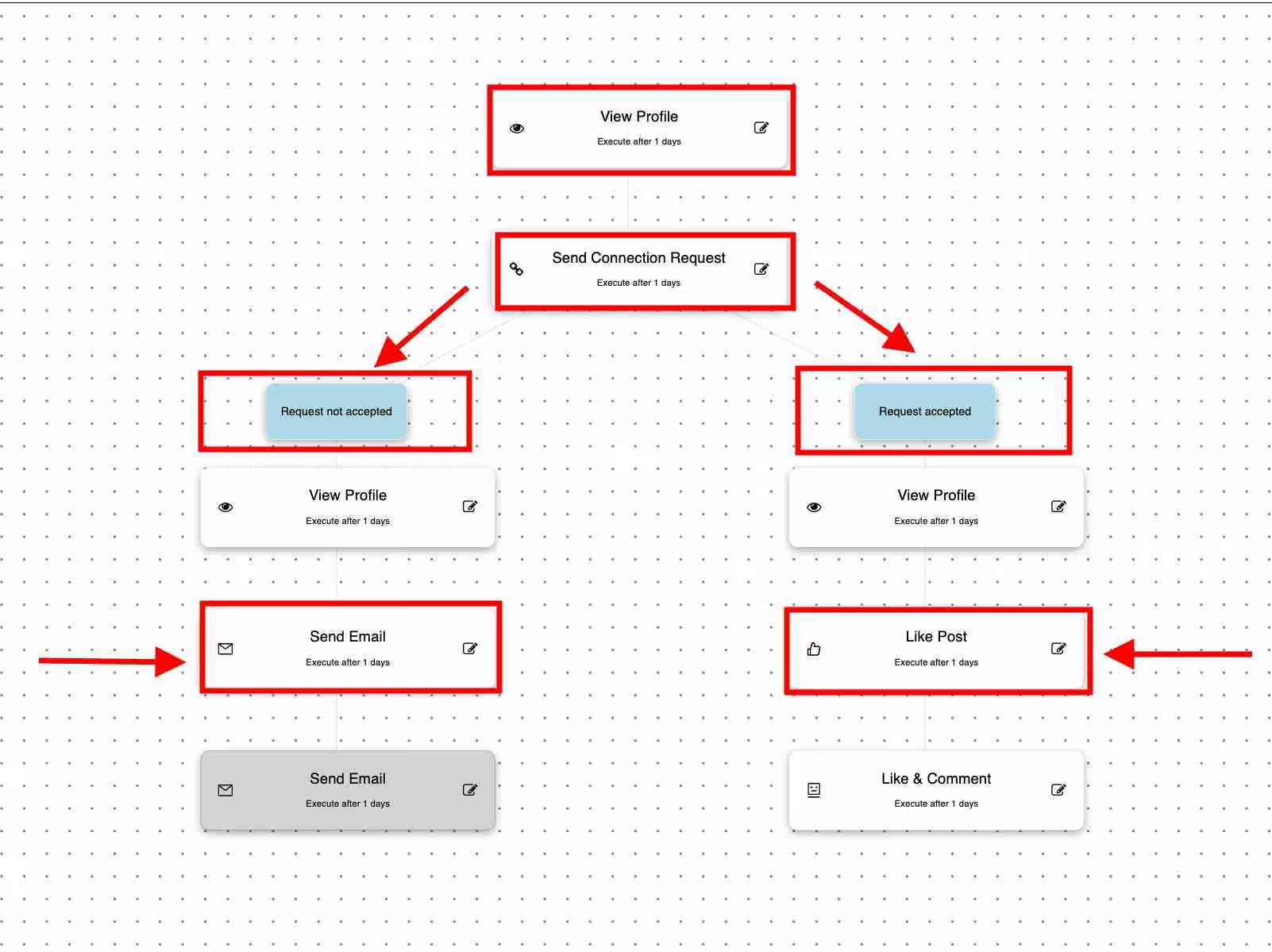
Here's the sequence that replaces an SDR's full workflow:
- Connection request with an AI-personalized note.
- Warm follow-up message 2-3 days after acceptance.
- Value-add follow-up around day 7.
- Automatic email fallback if there's no reply by day 14.
The order matters because of where the replies actually happen. In 2026, LinkedIn message reply rates held at 10-11%, while the reply rate to connection-request notes fell from 3.5% in May 2025 to 2.2% in April 2026. Translation: get connected first, then let the real conversation happen in the DMs, and catch the non-responders by email.
In practice, that means one campaign does the work of two reps alternating channels.
SalesRobot runs this exact motion in one place. It combines LinkedIn automation with cold email sequences, starting on LinkedIn (connection request → message → follow-up) and automatically switching to email if the prospect doesn't respond. Because it's cloud-based, the whole thing runs 24/7 without keeping a browser open.
Step 4: AI Replies and Appointment Setting (The Part SDRs Hate Most)
SDRs burn a huge chunk of their day on reply triage, objection handling, and calendar ping-pong. The GTM engineer hands that to an AI layer.
SalesRobot's AI Appointment Setter runs in two modes. Copilot reviews conversations and suggests personalized replies you approve with one click, useful when human judgment on a live deal matters. Autopilot is fully hands-off: the AI manages entire conversations, handles objections, and books qualified meetings into your calendar 24/7.
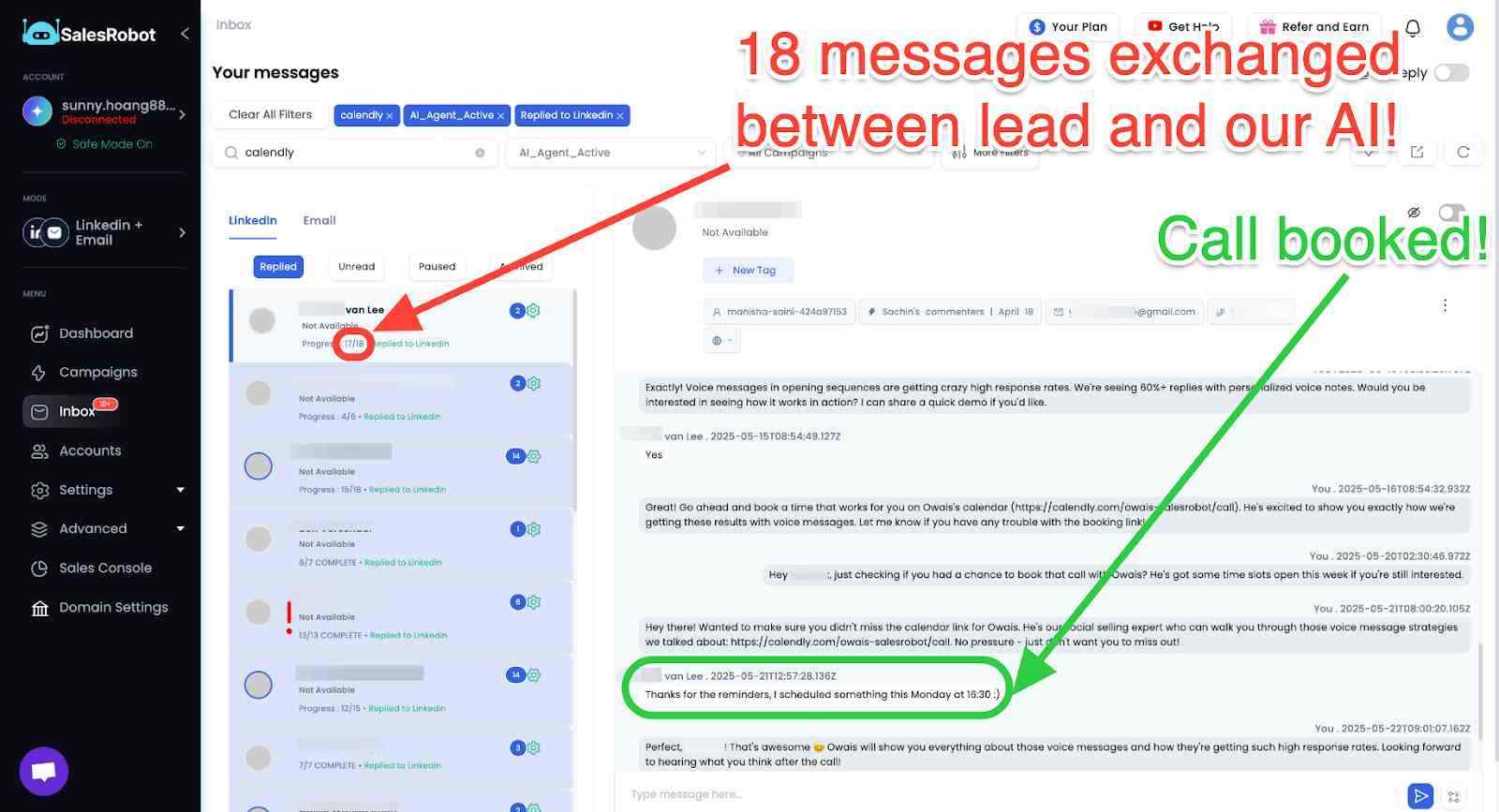
For example, you could run Autopilot for top-of-funnel sequences, then switch to Copilot the moment a prospect shows buying signals and the stakes go up.
How far can this go? Reddit users claim one savvy GTM engineer can replace 5 to 7 SDRs. That's high-end and anecdotal, but directionally it's why the role exists. (The honest ceiling comes a couple of sections down.)
LinkedIn Automation Safety in 2026: The Limits That Matter
This is where GTM engineers who skip the homework get their client accounts restricted. Know the 2026 numbers before you touch volume.
A few things worth internalizing. LinkedIn's weekly cap sits around 100 invites on a rolling seven-day window, and paying for Premium or Sales Navigator does not buy you more invites. For aged accounts, safe limits run 15-25 connection requests per day.
Tooling choice changes your odds. Cloud and API-based tools carry a lower restriction risk than browser extensions like the desktop plugins many people start with. Even then, around 23% of users who reach moderate automation levels face restrictions within 90 days, so warm up gradually and never start at full throttle on day one.
SalesRobot is built for this reality. It uses mobile API technology that mimics human behavior (randomized delays, human-like daily limits, and residential IP rotation), and customers report zero account bans when following SalesRobot's Safe Mode guidelines.

It deliberately keeps sending inside LinkedIn's safe range rather than pushing against the ceiling, which is how infrastructure compounds instead of getting flagged.
How SalesRobot Becomes the LinkedIn Automation Layer in a GTM Engineer's Stack
Think of the GTM engineer's stack as three layers: data (Clay and enrichment), execution (the LinkedIn and email engine), and system of record (your CRM). SalesRobot is the execution layer in the middle.
Three things make it fit that slot.
1. Safe, cloud-based automation. SalesRobot's mobile API approach (randomized delays, human-like limits, residential IP rotation) keeps accounts out of the restriction zone that plagues browser-based tools. It runs 24/7 without your browser open, so campaigns don't stop when you close your laptop.
2. The SDR's brain, automated. AI Variables handle the personalization; the AI Appointment Setter handles replies, objections, and booking in Copilot or Autopilot mode. Those are the two tasks SDRs spend most of their day on, running without a seat.
3. Multichannel plus native CRM sync. SalesRobot starts on LinkedIn and falls back to email automatically. When a prospect accepts or replies, their contact details, conversation history, and campaign activity sync straight to HubSpot, Salesforce, Pipedrive, or hundreds of other CRMs, with no manual logging.
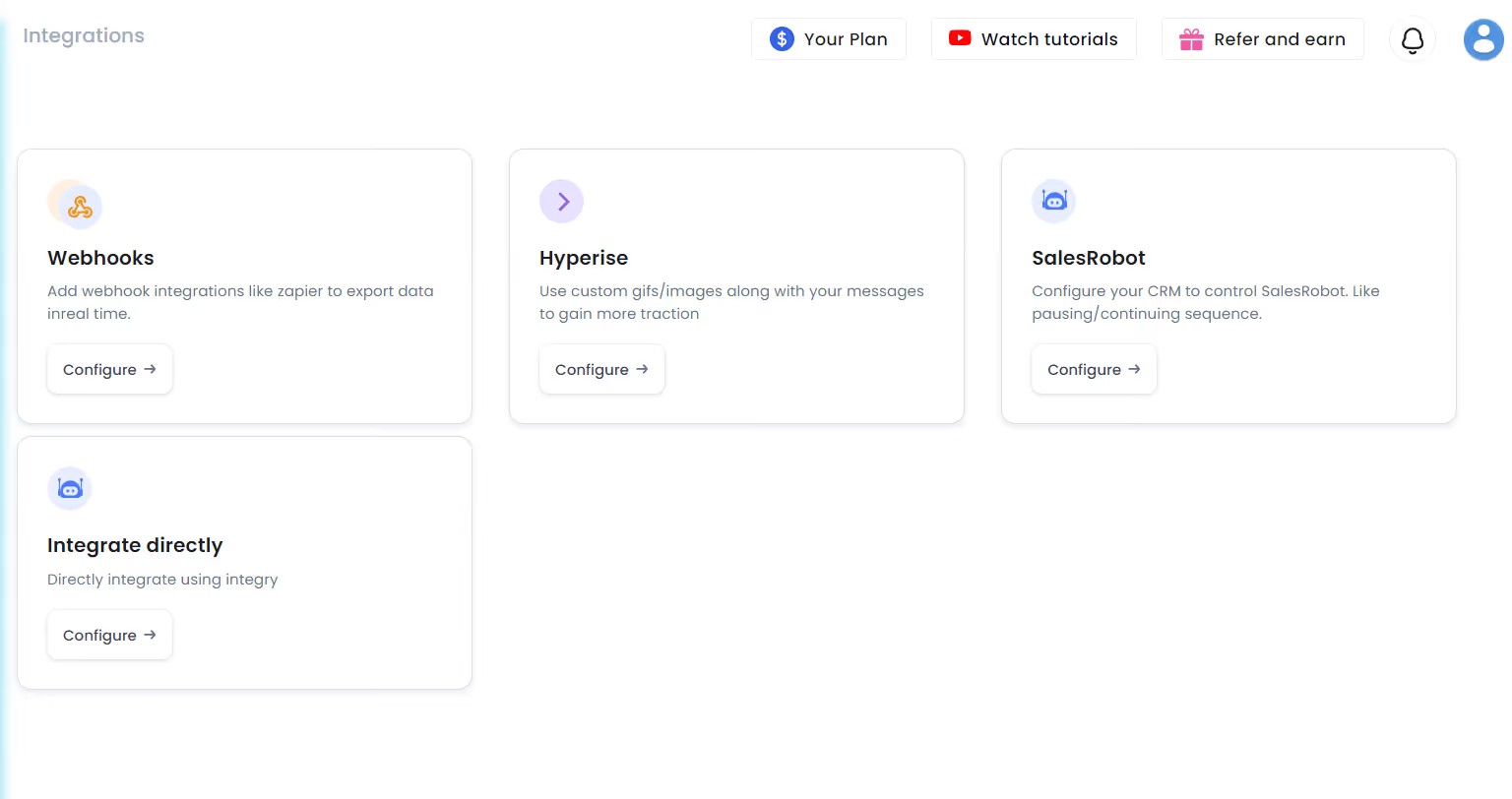
4. Drive it from an AI agent, through MCP. SalesRobot runs a live MCP server at mcp.salesrobot.co that connects Claude, or any MCP-compatible assistant, straight to your account.
From one AI session you can create campaigns and sequences, pull prospects from a Sales Navigator search, a LinkedIn URL, or a CSV, read the inbox, draft and send replies, and adjust your sending quotas, all by prompt instead of clicking through the dashboard.
For a GTM engineer, this is the part that matters: the execution layer becomes agent-addressable, so the same campaigns your Clay signals feed can be built and triaged by an agent in the loop. Connecting it takes about three minutes with your SalesRobot API key.
The math is the whole point. SalesRobot starts at $59/month on the Basic plan (Advanced $79, Professional $99; annual billing saves 35%) against a 50K-70K SDR salary. It's trusted by 4,100+ B2B sales teams, holds a 4.8 rating on G2 from 57+ reviews, and customers see a 55% average reply rate, with The Growth Agency hitting 66%.
https://youtu.be/kIOH15fXS34?si=QnDkunFpRy2jnQnM
There's a 14-day free trial, no credit card required, if you want to wire it into a stack and see the numbers yourself.
Do You Still Need SDRs? The Honest Answer
Direct answer: for high-volume, top-of-funnel prospecting and qualification, no. A GTM engineer plus a safe automation stack covers it, and does it on better-performing channels than cold email.
But the honest ceiling is real. For complex enterprise deals that need genuine relationship-building, nuanced multi-stakeholder objection handling, or executive-level social proof, a human still closes better than a sequence.
And remember the caveat from the economics section: analysis of 1,000 job postings found that nine in ten GTM engineer responsibilities overlap with RevOps, and the "replaces five hires" multiple varies by motion. This isn't magic. It's leverage.
So for most teams in 2026, the smart play keeps the SDRs but changes their job. Systems handle the volume work, and humans take the deals where humans actually win. A GTM engineer running automation makes that split possible.
Frequently Asked Questions
Can a GTM engineer replace my entire SDR team?
Partially. For top-of-funnel prospecting, personalization, follow-up, and meeting booking, a GTM engineer plus automation can replace the output of 3-5 SDRs. For complex enterprise negotiations and relationship-driven deals, keep human reps. The realistic model is systems handling volume, humans handling complexity, not a full replacement.
Do I still need SDRs if I have a GTM engineer?
Often fewer, not zero. A GTM engineer automates the repetitive volume work: list building, personalization, sequencing, reply triage, and booking. You still want human SDRs or AEs for high-stakes deals needing nuance and relationship-building. Most 2026 teams shrink the SDR seat count and redeploy remaining reps onto their best-fit accounts.
Is a GTM engineer just RevOps with a new name?
No, though the overlap is real. One analysis of 1,000 job postings found about nine in ten GTM engineer responsibilities overlap with RevOps. The practical difference is direction of work: RevOps maintains and optimizes the systems you already run, while a GTM engineer builds new outbound infrastructure from scratch. Many teams keep both.
What tools does a GTM engineer need to know?
The core stack is a data layer (Clay dominates, with 84% of surveyed GTM engineers using it), a LinkedIn automation layer, an email sending layer, and automation glue like Make, Zapier, or n8n. SalesRobot covers the LinkedIn and email execution layer in one tool, with native CRM sync into HubSpot, Salesforce, and Pipedrive.
Should I use automated LinkedIn outreach?
Yes, if you respect the 2026 limits. Stay under roughly 100 connection invites per rolling seven-day window, warm new accounts up gradually, and use cloud or API-based tools, which carry a lower restriction risk than browser extensions. Pair automation with genuine personalization, because generic blasts underperform and put your account at risk.
Is LinkedIn better than cold email for response rates?
On raw reply rates in 2026, yes. LinkedIn DMs get around 10.3% versus cold email's 3.43%, with no spam filters in the way. But the strongest approach is multichannel: start the conversation on LinkedIn, then fall back to email for non-responders, since combined sequences outperform either channel alone.
How is GTM engineering different from hiring SDRs?
Hiring SDRs scales output with headcount: more pipeline means more people at 70K each. GTM engineering scales output with systems that compound over time. One GTM engineer at 180K plus around $30K of tooling can build infrastructure producing 3-5 SDRs' worth of volume, on better-performing channels.
Putting It Together
The core takeaway: GTM engineers aren't firing SDR teams out of spite. They're responding to a market where cold email collapsed to 3.43% while LinkedIn held at 10.3%, and where systems scale output better than headcount scales cost.
The honest reality check: the "one engineer replaces five reps" line is marketing, the multiple depends on your motion, and complex enterprise deals still need humans. Automation handles volume, not nuance.
If you're building this stack, the LinkedIn execution layer is where it gets real. SalesRobot gives you safe mobile-API automation with zero bans on Safe Mode, AI Variables for personalization, an AI Appointment Setter that books meetings in Copilot or Autopilot, and native CRM sync, from $59/month, trusted by 4,100+ teams at a 55% average reply rate.
Wire it into your stack and watch the numbers: try SalesRobot free for 14 days, no credit card required.

Wow your leads by cloning yourself and sending personalized videos and voice notes to each lead on LinkedIn.
If you don't reply to leads within 5 mins, your chances of converting them fall by 50%. Our AI replies on your behalf instantly! (and yes, you can train it)

Don't shoot in the dark. Get detailed analytics on what's working
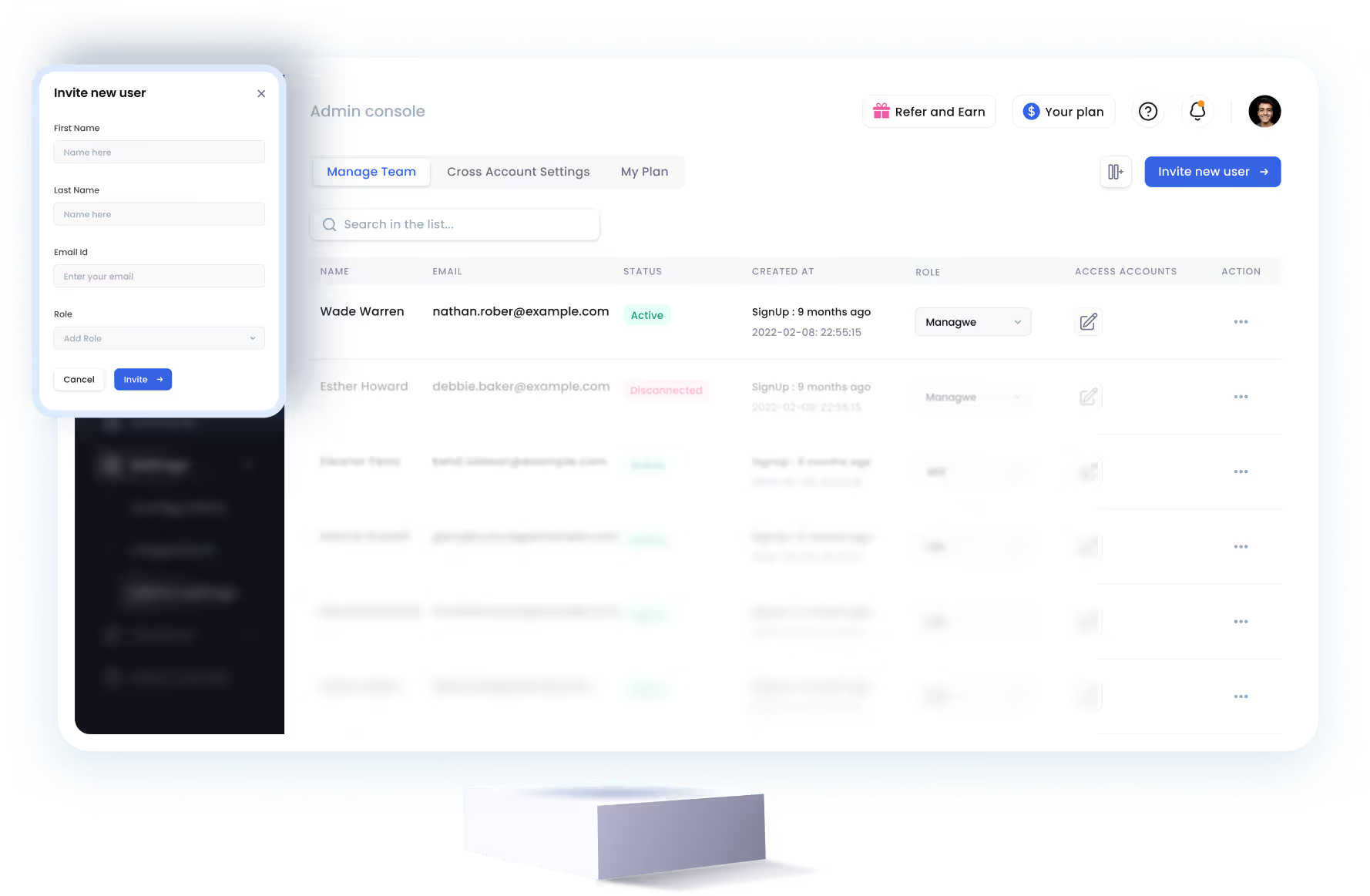
SalesRobot allows you to invite other team members, so that they can add their LinkedIn Account, run outreach campaigns and get amazing results just like you.


Trusted by 4100+ innovative B2B sales teams and lead gen agencies











Heading 1
Heading 2
Heading 3
Heading 4
Heading 5
Heading 6
Lorem ipsum dolor sit amet, consectetur adipiscing elit, sed do eiusmod tempor incididunt ut labore et dolore magna aliqua. Ut enim ad minim veniam, quis nostrud exercitation ullamco laboris nisi ut aliquip ex ea commodo consequat. Duis aute irure dolor in reprehenderit in voluptate velit esse cillum dolore eu fugiat nulla pariatur.
Block quote
Ordered list
- Item 1
- Item 2
- Item 3
Unordered list
- Item A
- Item B
- Item C
Bold text
Emphasis

Superscript
Subscript